54,790 contracts, 21.8 billion manats, zero bidder counts — the transparency gap in Azerbaijan's registry
Across all contracts published on etender.gov.az for 2024–2026, the open registry does not disclose how many bids were submitted in a single procedure. AZTender treats this as a limitation of the source, and explains why it matters.
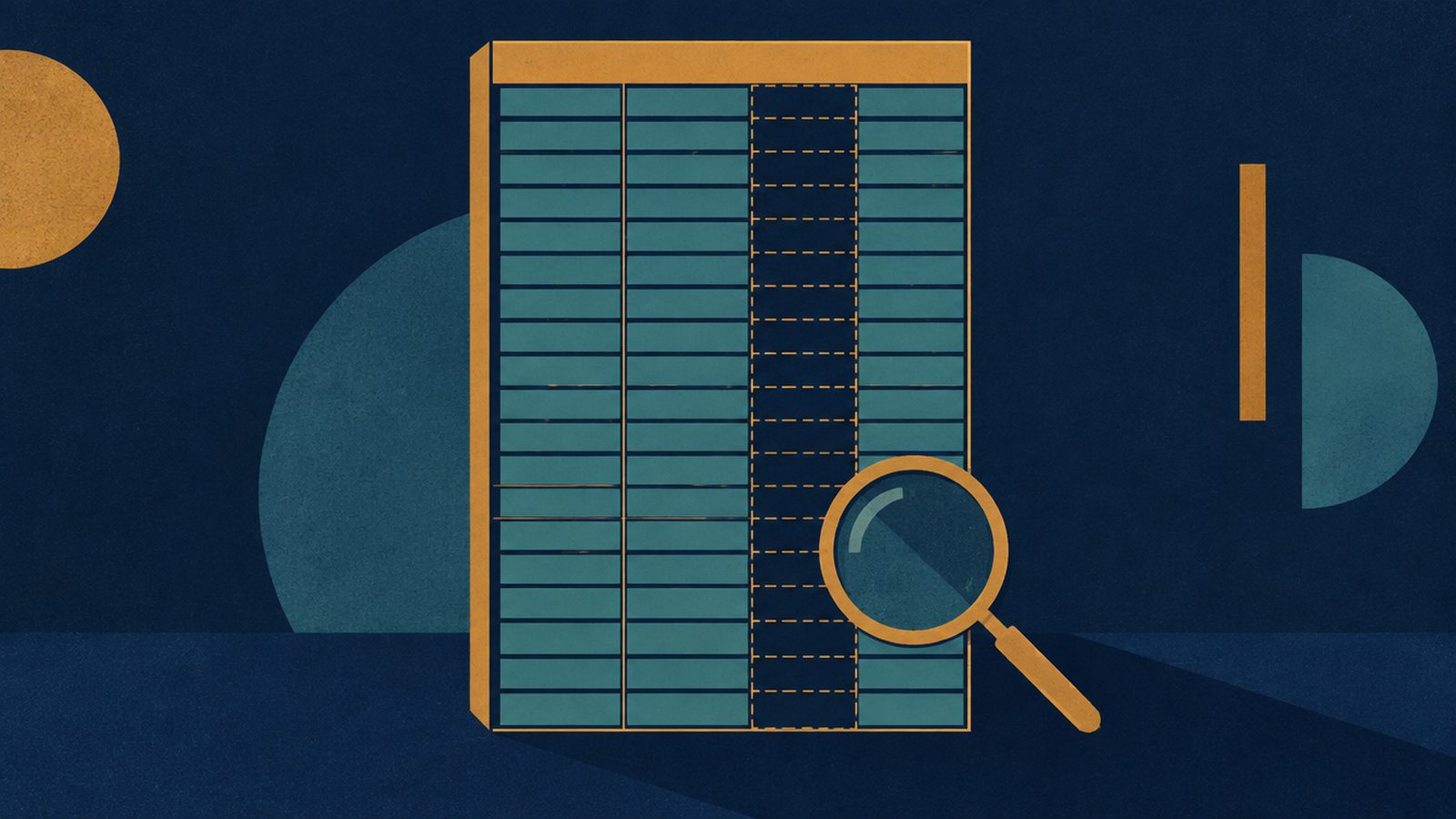
The AZTender corpus of Azerbaijan's state procurement registry for 2024–2026 contains 54,790 contracts with a combined value of about 21.8 billion manats. Not one of them shows how many bids were submitted.
What the registry publishes, and what it does not
The portal publishes the announcement, the procuring entity, the winner and the winning amount. It does not publish the number of participants, the number of bids admitted to evaluation, or the losing bids. For every competitive procedure in the country, the level of competition is therefore invisible in open data.
By comparison, Ukraine's ProZorro system discloses bidder counts for every procedure, which allows analysts, journalists and the authorities themselves to measure the share of procedures that attract only one bid.
Why it matters
- For bidders: without bidder counts, a supplier cannot tell whether a procuring entity's tenders are genuinely contested or routinely attract a single participant.
- For auditors and regulators: single-bid rates are the most basic red-flag indicator in procurement integrity work. In Azerbaijan they cannot be computed from the public record.
- For the state: disclosing bidder counts costs nothing and is already collected by the portal.
How AZTender handles it
AZTender records bidder counts as missing for Azerbaijan rather than estimating them, and states the limitation in every report. Where competition can be measured indirectly, for example through the share of single-source procedures or the concentration of awards on one supplier, those signals are shown with the method and the data cut date.
This is a data-transparency observation, not an allegation of wrongdoing against any entity. The analysis was first published on 24 August 2026.